
Normal Scalp: How to Identify Signs & Maintain a Healthy Scalp
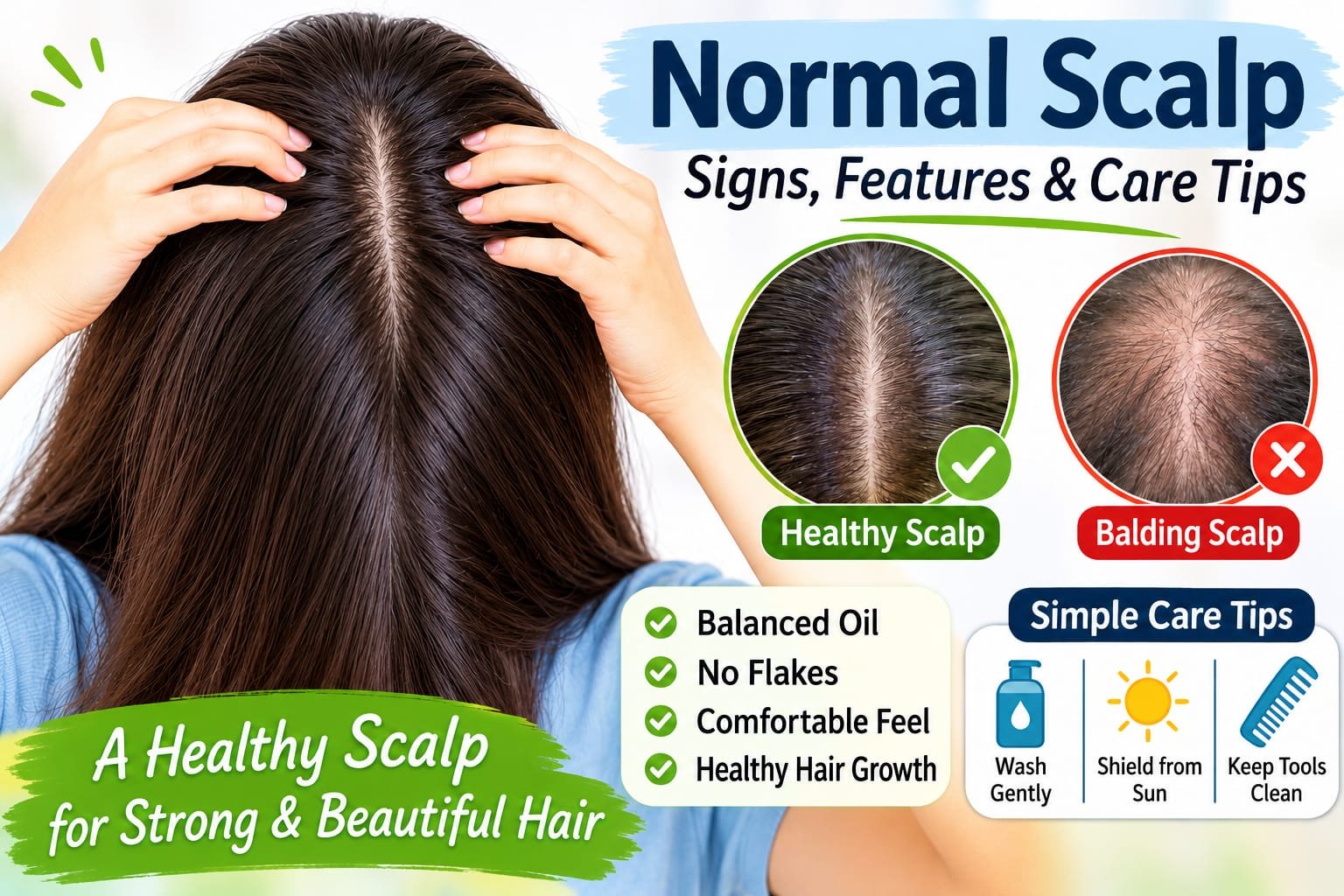
Normal Scalp: Signs, Characteristics, and Tips on Maintaining It
The scalp is the skin located underneath the hair. It is a very important part of hair and it ensures its proper state. A normal scalp is clean, relaxed, and feels comfortable. The scalp has a healthy balance of natural oils and moisture. It is neither too dry nor too oily. Moreover, there are no severe cases of itching, pain, or flaking.Excess oil, dead skin cells, and leftover hair products can cause scalp buildup, which may affect scalp cleanliness and comfort.
Very often scalp health is not considered at all till some problems occur. Checking the state of your scalp helps to identify any signs of changes and choose appropriate hair care products. This guide will teach you how to recognize the characteristics of a scalp, maintain it, and differentiate from the balding one.
What Does a Normal Scalp Look Like?
Usually, the scalp has a nice color that corresponds to your skin tone. In addition, it should not be characterized by any redness, dark spots, and swelling. The skin looks well and feels comfortable.
Another feature of a scalp is its optimal oiliness. Oil produced by the skin is called sebum.
It is needed for normal functioning of the skin since it keeps the skin moisturized and does not let it become dry. Nonetheless, too much oil can make the scalp greasy.
The following are the signs of a healthy scalp:
- Skin color is even and normal.
- There are no big flakes of dandruff.
- The scalp is neither itchy nor painful.
- There is no burning feeling or tightness.
- No strange bumps and sores are on the scalp.
- Healthy follicles give rise to hairs.
- The thickness of the hair is relatively uniform.
Moreover, in many cases, one to three hairs grow out of a single follicle opening.
What Are the Main Characteristics of a Normal Scalp?
In a scalp, there is balance maintained. The scalp produces neither excess oils nor insufficient oils.
Consider the following characteristics of the normal scalp.
1. Balanced Natural Oil
The production of oils on the scalp is meant to keep the scalp and the hair healthy. Oil acts as a lubricant to keep the scalp soft and moisturized.
Excess oils are not produced by the normal scalps and hence there is no grease in the scalp. Even after washing your hair, it should not feel greasy after some time.
2. No Flakes
The scalp is characterized by little or no flaking at all. There should be no presence of heavy white flakes, dandruff, and dry patches on the scalp.
Some individuals may experience a few flakes from time to time. However, persistent and heavy flaking could be a manifestation of dryness.
3. Comfortable Scalp
The scalp does not have any discomfort. A healthy scalp should not have itchiness, burning sensation, soreness, or tightness.
Persistent occurrence of these symptoms indicates that your scalp requires more attention and maintenance. Skin conditions or sensitivity to hair products can cause such symptoms.
4. Healthy Hair Follicles
Follicles are tiny openings on the skin through which hair comes out. A healthy scalp will exhibit clear hair follicles without any abnormal swelling or irritation.
Hair will come out normally from these follicles.In case of any abnormal hair loss, patches of baldness, and significant changes in hair thickness consult a dermatologist.
Normal Scalp vs Balding Scalp
There are distinctions between a normal scalp vs balding scalp. A scalp is characterized by even hair distribution and normal hair growth. When it comes to a balding scalp there is a lack of hair which becomes less thick and starts falling out. Nevertheless, a visible scalp through hair is not always a sign of baldness as some people have naturally sparse hair or wide distance between hairs.
Normal Scalp:
- Hair distribution is relatively even.
- There are no noticeable changes in hair thickness.
- There are no bald patches present.
- The hairline is stable.
- Hair density is normal for an individual.
Balding Scalp:
- Less hair is present in some areas.
- Hair gets gradually thinner.
- Bald patches may emerge.
- The hairline moves backward.
- Scalp skin becomes more visible.
Hair loss may be provoked by various factors including genetics, stress, disease, hormonal disorders, medications. In case of any sudden hair loss it is necessary to consult a dermatologist.
What Is a Normal Mole on Scalp?
A mole is simply a spot or mark on the skin. It could either be brown, black, pink or the color similar to the person's skin color. The mole may also occur anywhere including the scalp.
A normal mole on scalp is small and round-shaped with even coloration and shape. It can be either raised or flat.
The majority of the moles are harmless. But one must be careful about checking the moles now and then as some changes in skin need medical attention.
Here are some signs of mole changes that need medical care:
- Change in size or shape.
- Uneven or abnormal coloration.
- A mole with irregular borders.
- Bleeding, pain or persistent itching.
- An entirely new mole with a distinct appearance from the existing moles.
The doctors have a system of evaluation of an odd mole using the ABCDE criteria which takes into account Asymmetry, Border, Color, Diameter and Evolution (change).
In case a mole becomes changing, starts bleeding or growing, a dermatologist should be consulted. No scratching, cutting or removal of mole at home should be attempted.
How to Keep Your Scalp Healthy
Proper daily care will ensure that your scalp remains clean and comfortable. For such care you don't need any numerous products. Only simple actions will make the difference.
1. Wash Your Hair Regularly
Use a mild shampoo for washing to cleanse your scalp from sweat, dirt, excessive oils and products accumulation. Wash your hair depending on the hair type and oiliness of your scalp.
Do not wash your hair more than you need if it causes dryness and discomfort to your scalp.
2. Apply Shampoo and Conditioner Correctly
Apply shampoo primarily on your scalp. Gently massage it using your fingertips but never use your nails as it may harm your skin.
Apply conditioner mostly on mid-lengths and ends of your hair to keep it soft while reducing product accumulation on your scalp.
3. Shield Your Scalp from the Sunlight
The long stay under direct sunlight may influence your scalp. If you spend lots of time outside – wear a hat or apply proper sunscreen.
It is especially true if you have thin hair or exposed scalp.
4. Avoid Too Much Heat and Chemical
Excessive heat from your hair dryer and styling tools will harm your hair. The strong hair dyes and the use of other chemicals may irritate your scalp too.
Reduce the frequency of the usage of heat tools and purchase soft hair products.
5. Take Care of Your Hair Tools
Dirty hairbrushes and combs may be carriers of oil, dirt, and leftover hair products. Thus, try to clean them regularly for better hygiene.
Moreover, do not share your hair tools with other people.
When to Consult a Doctor?
Your scalp needs to be comfortable most of the time. Small changes occur sometimes, however, persistent issues need to be addressed.
Consult a dermatologist in case you have:
- Intense or prolonged itching.
- Thick flakes and painful skin patches.
- Redness, inflammation, and sores.
- Sudden hair fall or bald areas.
- Changed moles (increased size, altered shape or color).
- Bleeding or painful areas on your scalp.
Your dermatologist can diagnose your problem and recommend appropriate treatment.
Conclusion
A normal scalp should be balanced, clean and comfortable. It has uniform color, healthy natural oil secretion, and no heavy flakes and irritation. Healthy hair follicles also ensure healthy hair growth. Knowing the differences between a healthy scalp and a scalp that is going through hair loss will help you spot anything abnormal.
Simple acts such as washing your scalp gently, conditioning it, protecting it from excessive sunlight, and using gentle products on it may help in maintaining a healthy scalp.