
Scalp Rash: Causes, Symptoms, Treatment and Care
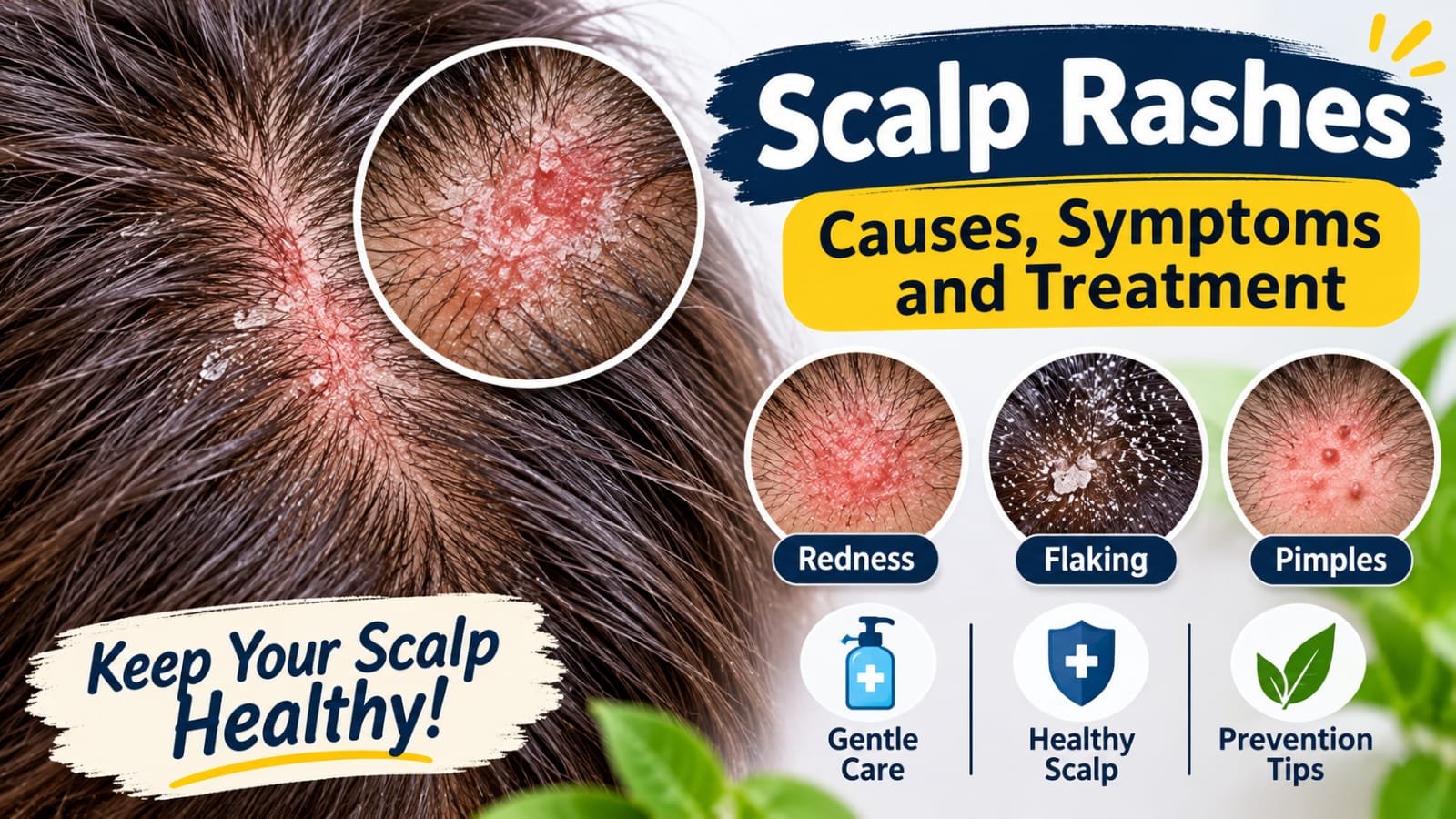
Scalp Rash: Causes, Symptoms, Treatment, and Prevention
The rash on scalp can irritate, itch, burn, or inflame your skin. In addition, it can lead to dry skin, scaling, pimple, or hair loss. Some types of rashes on the scalp are manageable whereas others require medical attention.
There can be many reasons for the appearance of rashes on the scalp. Determining the cause becomes very important in order to choose a suitable mode of treatment. To understand more about scalp health and common scalp problems, read our guide on scalp buildup and learn how to keep your scalp clean and healthy.
Here in this blog, you will come across the common causes of a rash on scalp, the signs of it, treatment methods and prevention tips.
What Is a Scalp Rash?
A scalp rash refers to any change in the skin on the scalp. There can be redness, dryness, swelling, or flaking of the skin. People can have itching or burning sensation in the affected areas.
A rash can be present in a small spot or throughout the scalp. It may happen after using a new hair product. It can also be linked to skin conditions or infections.
Common Causes of Scalp Rash
There are several conditions that may cause a person to get these rashes. They include the following.
1. Seborrheic Dermatitis
It is one of the most widespread skin problems that cause dandruff. The skin on the head becomes red, oily, itchy, and has flakes of white or yellow color.
One of the causative factors of this condition is a yeast named Malassezia. People with oily skin usually suffer from it.
It is possible to use medicated shampoos for controlling the symptoms like flaking and itching.
2. Scalp Psoriasis
Scalp psoriasis is a skin problem that causes the rapid reproduction of skin cells. It leads to the appearance of thick red patches with white or silver flakes.
Patches may be dry and itchy. Sometimes, there is pain, cracks in the skin.
It is necessary to use special shampoos and creams to treat this problem.
3. Contact Dermatitis
Contact dermatitis is an allergic reaction of the skin on contact with certain products. It may be caused by hair dyes, shampoos, hair sprays, and gel products.
It manifests itself in the form of redness, itchiness, swelling, or soreness. Stop using the products that cause this reaction. Consult a doctor about it. A doctor can help find the cause.
4. Scalp Ringworm
Scalp ringworm is a fungal infection. It is also known as tinea capitis. The infection may be passed on from one person to another via combs, hats, or any other item.
The signs include round, scaly patches on the scalp. Hair can be broken at the roots, causing small bald patches.
Antifungal medications should be prescribed in most cases. Using shampoo is not sufficient.
5. Folliculitis
Folliculitis refers to an inflammation or infection of hair follicles. Hair follicles are very small holes through which the hair grows.
Signs include pimples, spots, or red bumps. In some cases, bumps contain pus. A proper treatment is recommended depending on the cause.
6. Head Lice
Head lice are small insects living in human hair. They suck small amounts of blood from the scalp.
These tiny bugs cause severe itching. Scratching causes small red bumps or sores. Lice removal using lice treatment and fine-toothed comb is possible.
Shingles on Scalp Without Rash
Shingles is a viral infection triggered by chickenpox. Shingles may cause pain, burning sensation, numbness, or sensitivity in one part of the head. In rare cases, a person may have shingles on scalp without rash. This is sometimes called zoster sine herpete.
It is true that there can be shingles on the scalp without the rash being visible, but this form is less common. It is not necessary that any head pain is because of shingles.
If you experience the burning sensation or sensitivity of the scalp, then make sure that you consult a physician. Medical attention is required in case of suspected shingles.
Early Stage Lupus Scalp Rash
Lupus is an autoimmune disorder in which the body's immune system mistakenly starts attacking healthy tissues.Lupus affects several body systems, which include the skin and joint system.
Early stage lupus scalp rash include occurrence of red spots on the skin, drying of the skin, and scaling of the skin. Sometimes, patients may also experience hair loss and skin changes.
Lupus rash on scalp is different from other skin rashes. For example, some forms of lupus may cause permanent scarring and hair loss.
It is not necessary that all itchy or reddened scalp conditions are caused by lupus. The doctor will require a physical examination and some tests to diagnose the problem.
How to Treat Scalp Rash
Treatment of the scalp rash will depend upon the underlying cause. Simple care may help mild problems, while infections and other skin conditions may need medical treatment.
Here are some tips for caring for your condition:
- Wash your hair using mild shampoo.
- Avoid using strong dyes on your hair or hair products that may cause irritation.
- Avoid scratching your head.
- Use clean combs and brushes.
- Do not share hats, towels, or combs.
- Gently wash your scalp using your fingers.
- Use Medicated Shampoos
- Some shampoos can assist in reducing your itching, flakes, and skin buildup.
Some of the common ingredients include:
- Pyrithione zinc: Helps in controlling dandruff.
- Selenium sulfide: Helps in controlling dandruff and the growth of yeast.
- Ketoconazole: Helps in treating fungal issues and dandruff that is difficult to manage.
- Coal tar: Helps in slowing down the growth of skin cells in some cases of psoriasis.
- Salicylic acid: Helps in getting rid of scales on the scalp.
Always follow the manufacturer's instructions. Some medicated shampoos should be left on your scalp for five minutes before washing.
When Should You See a Doctor?
Some problems on the scalp might necessitate the need for medical attention. Do not ignore any worsening of symptoms that do not improve through treatments.
Consult a doctor or dermatologist if you have:
- Scalp pain.
- Pimples that contain pus or pain.
- Bulges or soft areas on the scalp.
- Sudden or extensive hair fall.
- Fevers or signs of infection.
- Rashes that remain for several weeks even after basic treatments.
It is important to seek early intervention to prevent more skin problems.
Prevention of Scalp Rash
Taking care of your scalp may help prevent skin disease problems. Follow the guidelines below:
- Regular washing of hair when necessary.
- Using hair products appropriate for your skin type.
- Avoiding hair products that cause irritation.
- Keeping hair care tools clean.
- Not sharing personal hair care accessories.
- Avoiding itching of dry and itchy areas.
These practices will help to maintain your scalp health.
Conclusion
Scalp rash may arise due to dandruff, psoriasis, allergic reaction, fungal infection, or any other skin disorder. Symptoms may include itching, reddening, flaking, bumps, and hair loss.
Treatment will vary depending on the cause. Taking care of your hair in a gentle way, as well as the use of medications through medicated shampoos, might help with certain conditions. But when there is severe pain, hair loss, fever, and an increasing rash, then you should consult a doctor.