
Scalp Build Up: Causes, Signs, Treatment and Prevention
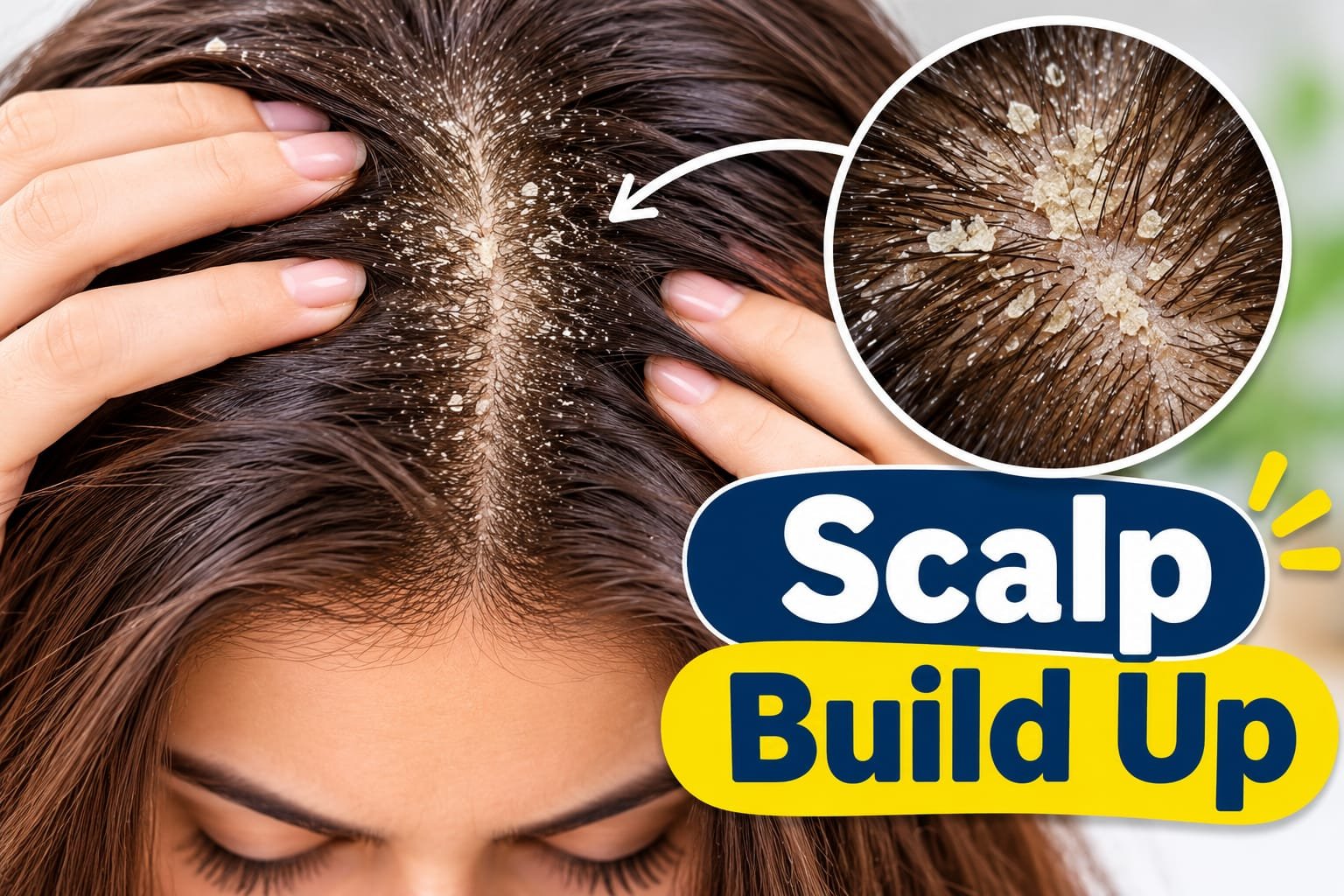
Causes, Symptoms, Treatment and Prevention of Scalp Build Up
A clean scalp is vital for maintaining healthy hair. But oil, sweat, flakes of dead skin cells, and hair products may get accumulated on your scalp in time. This would make your hair oily, heavy, and dirty, despite washing your hair regularly. This condition is called scalp build up.
Many people experience such condition either due to using hair styling products or inadequate hair washing routine. Fortunately, easy to follow hair care techniques can eliminate unnecessary scalp buildup. Using a suitable hair mask for dry hair can also help keep hair soft, smooth, and easy to manage while supporting a healthy hair care routine.
This article will teach you what causes scalp buildup, how to recognize scalp build up, how to treat it, and how to prevent scalp buildup.
What Is Scalp Build Up?
The build-up in your scalp includes oil, sweat, dead skin cells, and leftover hair product. The scalp produces natural oil, which is known as sebum. It keeps the skin and hair soft and moisturized. However, an excess amount of oil mixes with dirt and hair products residue.
Dry shampoo, hair gel, heavy conditioner, and some styling cream can lead to an excess amount of hair products residue. In addition, this layer becomes thicker and cannot be washed with a regular shampoo.
Thus, you will face flakes, itching, and greasy roots. Furthermore, build-up in your scalp will make your hair look dull and weigh down.
Build-up Causes on Your Scalp
There are different factors that cause the buildup in the scalp. Some of the most common ones include:
- Oil on your scalp: You can use too much oil and it leaves residues on the scalp.
- Styling hair products: Such as gels, sprays, dry shampoo, and cream can leave the build-up.
- Dead skin cells: It is a natural process when skin cells fall out and mix with the oil.
- Sweat: Sweat mixes with the natural oils and dirt.
- Not washing regularly: Long gaps between wash days can allow oil and products to collect.
- Heavy conditioners: Thick conditioners and products with heavy ingredients may leave residue if not washed out well.
Knowing these causes can help you choose better hair care habits.
Signs of Scalp Build Up
Scalp buildup warning signs should be noted as well. This will help you take care of your scalp before it worsens.
These are some of them:
- Itchy scalp – you can experience an itchy and irritated scalp.
- Greasy roots – your hair becomes oily even right after washing.
- Waxy scales – you can have small wax-like and flaky scales at your hairline.
- Heavy hair – your hair feels flat, lifeless and limp.
- Dull hair – the hair does not shine anymore.
- Residue of the products – you can feel the stickiness on your scalp.
These signs may also occur due to dandruff and other scalp issues. In case they persist, the help of a dermatologist will help you find out what causes this condition.
How to Get Rid of Scalp Build Up
In case your scalp feels oily and dirty, you may wonder how to get rid of scalp build up. A couple of easy tips can help to remove excess oil and product residues.
1. Clarifying Shampoo
The clarifying shampoo will help you to remove excess oil, dirt, and hair product residues from the scalp. It cleans deeper than many regular shampoos.
Look for a shampoo with ingredients like salicylic acid. Some products also contain tea tree oil. Use a clarifying shampoo when needed, such as once a week or less often if your scalp is dry or sensitive. Always follow the product instructions.
2. Exfoliate Your Scalp Gently
Exfoliating will help eliminate the dead skin cells and excess residues. This can be done by using a mild scalp scrubbing agent or scalp exfoliant.
Alternatively, you can try using a soft scalp brush. This should be brushed gently without scratching the skin to avoid irritating it.
3. Apple Cider Vinegar Rinse
Some individuals also make use of apple cider vinegar as a natural hair rinse. Add 1 to 2 tablespoons of apple cider vinegar into 1 to 2 cups of water. After shampooing, apply the remedy carefully and rinse it thoroughly. Do not apply it to broken or irritated skin. In case of burning or irritation, stop its application.
4. Apply Light Oil Before Washing
Using oils such as jojoba or argan oil can prove helpful in breaking down oils from the scalp which have solidified.
Apply light oil on the scalp and massage it for 5 to 10 minutes and then wash hair. Wash off the oil by applying shampoo on the scalp. Do not apply too much oil because it will lead to accumulation of oil.
5. Washing the Scalp Correctly
The correct washing method is important. Shampoo should be applied on the scalp and massaged using fingertips not nails.
This is to avoid skin damage. Use lukewarm water for rinsing the shampoo and conditioner.
How to Clean Scalp Build Up at Home
To learn how to clean scalp buildup, first start with a proper washing routine. You need very few products to clean your scalp.
Take the following simple measures:
- Get your hair wet using lukewarm water.
- Place the shampoo on your scalp.
- Rub it with your fingertips.
- Ensure that all the shampoo is rinsed off from your hair.
- Apply the conditioner to the middle and ends of your hair.
- Fully rinse the conditioner.
This will assist in eliminating daily dirt and grease. You will have to use a good clarifying shampoo in case of difficult residues.
How to Avoid Build Up on Scalp
Adopting the right hair care procedures will assist to avoid build up from happening again. Some of the things to do include:
- Lightweight hair products: Use light creams and conditioning products.
- Frequent washing of hair: Do not forget to wash your hair when your scalp is oily.
- Thorough rinsing of your hair: Make sure that there is no residue of shampoo or conditioner left on your scalp.
- Using minimal amounts of dry shampoo
- The excess use of dry shampoos leads to residue being left on your hair.
- Clean your scalp: Remove sweat and residue caused by the use of excessive styling products.
This will help keep your scalp clean and hair light.
When Should You See a Dermatologist?
Mild build up is usually resolved when proper methods of washing are applied. There are some problems associated with your scalp that should be treated by professionals.
Consult a dermatologist if you have:
- Accumulation which cannot be fixed by proper cleaning.
- Excessive itching and soreness.
- Inflammation or swelling.
- Acute or sudden hair loss.
- Persisting thick flaking.
This might mean that there is a skin issue that requires adequate treatment. Do not scratch your scalp or try to wash off the stubborn flakes with aggressive cleansers.
Conclusion
Scalp build up is one of the most common issues arising out of excess oil, sweat, dead skin cells, and hair product residue. It leads to itchiness of the scalp and makes the hair greasy, lifeless, and heavy. Knowing how to remove scalp build-up will help you maintain clean hair.Choose a proper shampoo, rinse your scalp carefully, and do not use too much product. If the situation does not get better or brings about pain, inflammation, and hair loss, see a dermatologist.