
How to Read Nutrition Labels? Step-by-Step Guidance
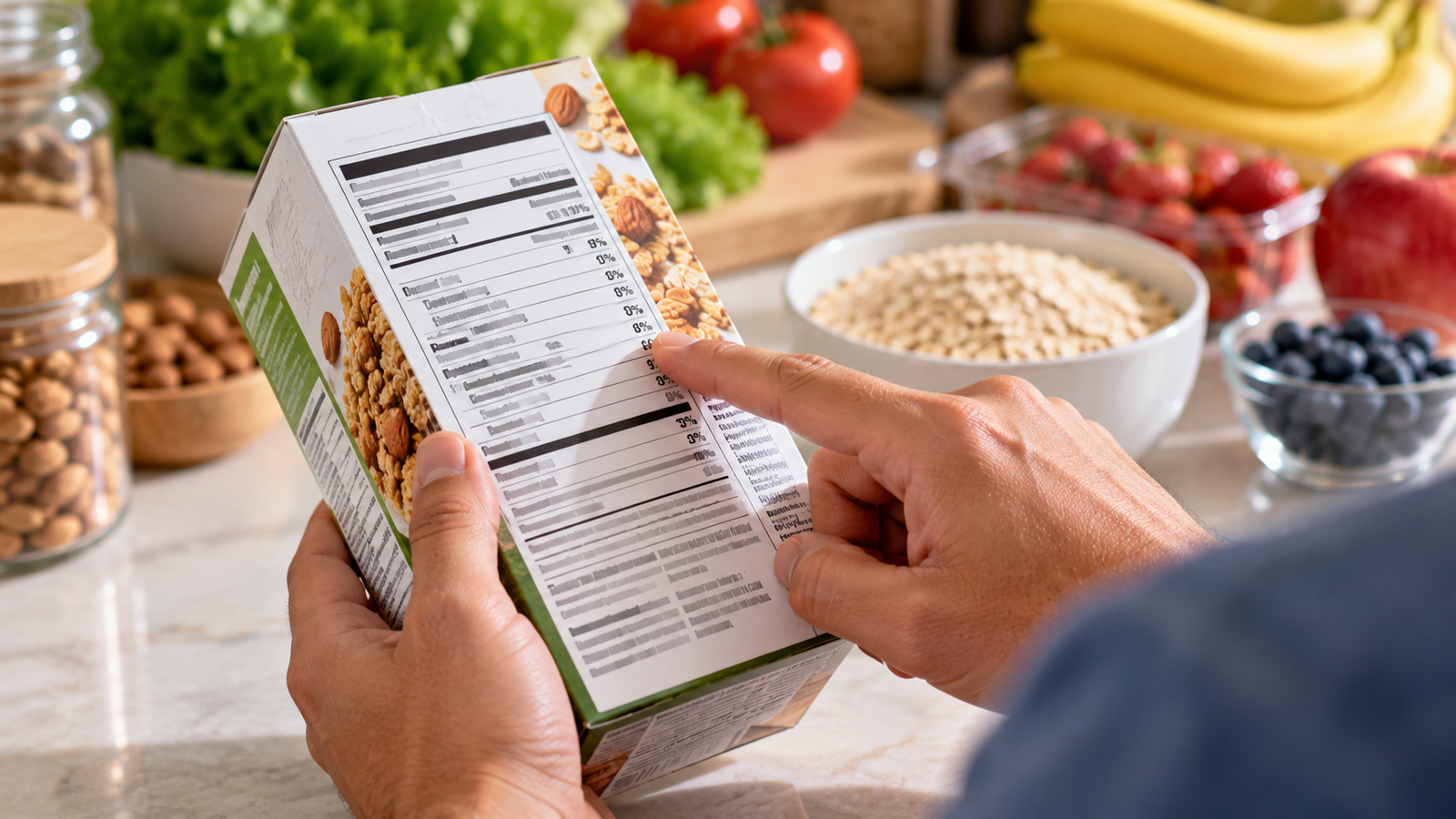
Buying a packaged food product at the grocery store presents many questions․ Are packaged foods healthy choices? How much sugar is in the food? What is a serving? What does the number listed for each nutrient represent?
Learning how to read nutrition labels can help you make better choices․ To avoid information overload‚ focus on learning about serving size‚ calories‚ vitamins‚ minerals‚ and % Daily Values‚ as well as ingredients․ Other information on food labels can help you compare foods and choose food high in fiber that meets your nutritional needs.
5 Steps to Read a Nutrition Facts Label
The Nutrition Facts label provides information about packaged foods and beverages․ This article offers an easy guide to reading the Nutrition Facts label․
1․ Serve the Amount Recommended on the Label
Serving size is an important consideration․ Nutrition facts information is provided per serving․ Therefore‚ if there are two servings of food in a package and each serving has 200 calories‚ the entire package contains 400 calories․ Keep in mind that the serving size listed on food packages is not a suggested serving size․ Instead‚ it is the size used to calculate the nutrition facts on the package․
2․ Check the Calories
Next‚ check the calories per serving․ Be sure to relate the calories to the size of the serving․ Two servings would provide twice as many calories as listed․ Calories are a useful tool to compare like foods, but they should not be the only tool used. Check out the nutrients and ingredients as well.
3. Use % Daily Value to Put Numbers in Context
The Percent Daily Value (%DV) indicates the percentage of the nutrient supplied in one day's serving of the food, compared to the Daily Values for the nutrient. The following is a helpful FDA guideline:
- 5% DV or less = low
- 20% DV or more = high
4. Understand Total Sugars vs. Added Sugars
When learning how to read nutrition labels properly, this is one of the most useful things to know. Total Sugars are sugars that are naturally occurring in whole foods as well as sugars added to foods. Added Sugars are sugars that are added in processing or preparation. These can be made with table sugar, syrups, and some concentrated fruit or vegetable juices. If you're reading a yogurt label, it might look something like this:
|
Nutrient |
Amount |
|
Total Sugars |
15g |
|
Includes Added Sugars |
7g |
This indicates that the product has 15g of sugar and 7g of added sugar. The %DV can also be used to compare added sugar amounts. Anything below 5% DV is considered low, and anything above 20% DV is considered high.
5. Look at Protein, Vitamins and Minerals
The label also offers details regarding protein and some of the vitamins and minerals. Protein is reported in grams, and a few vitamins and minerals are reported in amount and %DV. You'll likely notice that the nutrients vary from product to product and include:
- Vitamin D
- Calcium
- Iron
- Potassium
How to Read the Ingredients List?
The Nutrition Facts panel is just a portion of the Label! The other useful view of the product will be found on the ingredients list. In general, ingredients are listed in order of their weight. Simply, the most abundant ingredient is listed first, then the other ingredients in order of abundance. See the first couple of ingredients to see what is primarily in the product.
The label should also be scanned for pertinent allergens in food. If a major allergen is included in food labels in the U.S., the label must specify the food source. This could show up in the ingredients or in a separate line that says "Contains".
Don't Rely Only on Front-of-Package Claims
Words on the front of a package can catch your attention. Such as "Low fat", "Sugar free", "High protein," and "Natural". But these claims do not tell you everything about a product. Accurate amount of nuritions are added in the label. Learn how to read nutrition labels correctly to get the full picture. This will help in making the decision of which product is suitable for you.
How to Compare Two Nutrition Labels?
If you understand the information presented on nutrition labels well, you can apply similar steps in comparing the nutritional information of similar food items. For example;
|
Nutrition |
Product A |
Product B |
|
Calories |
190 |
180 |
|
Saturated Fat |
2g |
1g |
|
Sodium |
180mg |
110mg |
|
Dietary Fiber |
3g |
5g |
|
Added Sugars |
8g |
4g |
For this example, Product B contains fewer calories, less saturated fat, more fiber, and less added sugar per serving. This isn't to say that Product B is necessarily the "healthier" option for all. It may be different for you.
How to Read a Nutrition Label in 30 Seconds?
You don't need to read all the information on the Nutrition Facts panel verbatim. With the know-how, you may make an informed choice by following the same procedure. Use this handy shopping checklist when you are buying:
- Keep in mind portion size.
- Check the amount of calories per serving.
- Scan the %DV.
- Check for fat or salt.
- Please be mindful of high-fiber and added sugars.
- Read the label and allergens.
- Try comparing similar products, following the same process.
Where to Buy Nutrition & Healthy Eating Products?
If you know how to read nutrition label information, then it will be easier for you to choose the correct food packaging. When shopping, review products for calories, sodium, saturated fat, added sugar, protein, fiber, or other content areas; compare the serving size according to its nutrition information.
In our collection, you can find a wide variety of products on nutrition and healthy eating that you can shop at ShopRigo! Depending on your nutritional needs, you can choose one for yourself. If you need any assistance, contact us today; our team is always here to help.