
Food High in Fiber: A Simple Guide to Healthy Eating
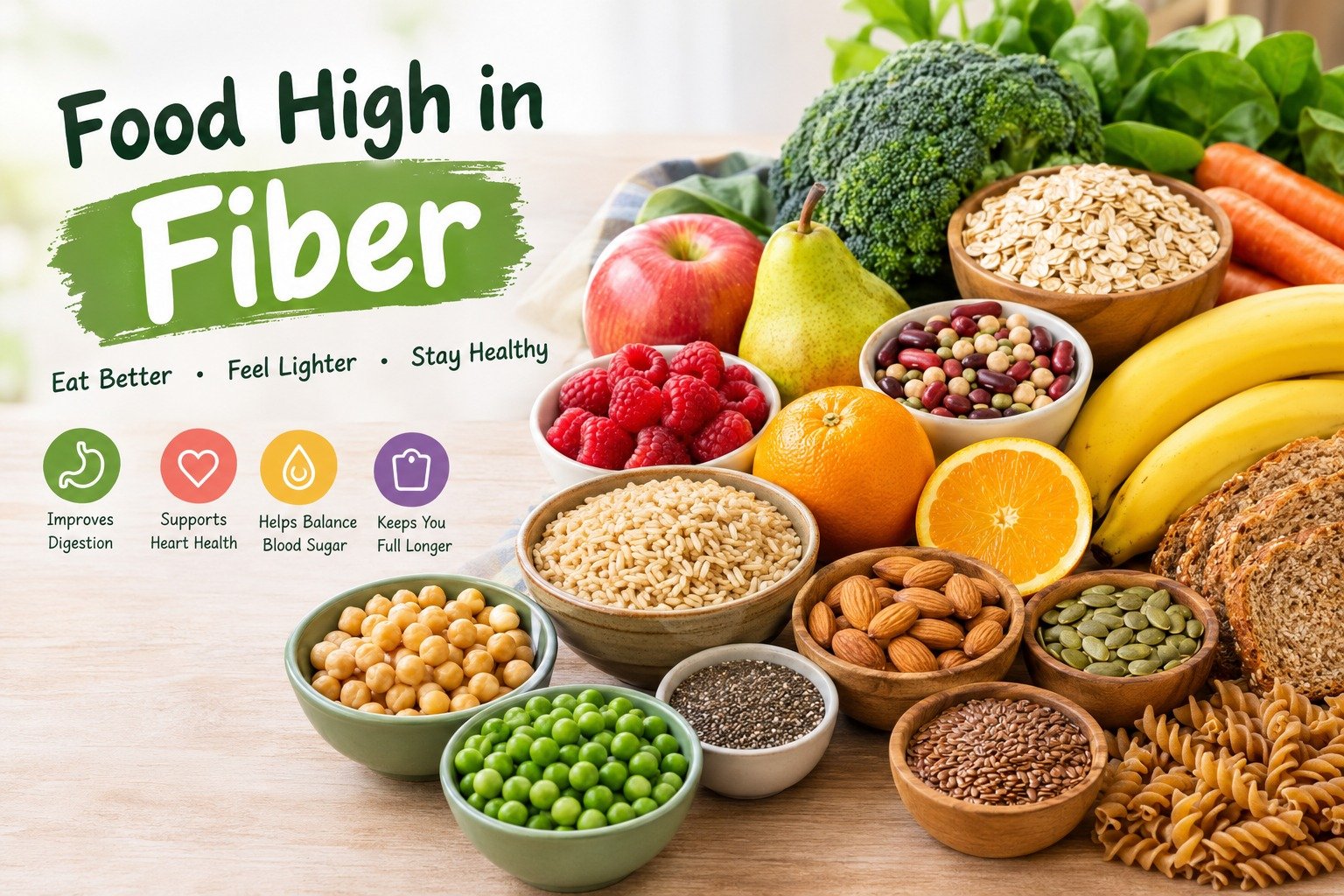
Food High in Fiber: A Simple Guide
Introduction
Finding food high in fiber is easy when you know what to eat. In general, there is a large number of products from fruit and vegetable groups, legumes, and cereals that contain fiber. Fiber has many useful properties and is responsible for proper digestion.
It is essential for your diet because fiber can help to avoid constipation and keep you satisfied for a longer period of time.
This article will tell you about what foods are high in fiber, why it is so important, and how to increase fiber consumption.
What Is Fiber?
This is the carbohydrate component contained only in plant foods. This compound cannot be digested fully by our body. As a result, it passes through the digestive tract and performs its functions.
Generally, there are two types of fibers.
- The first one is called soluble because it can mix with water and form the soft gel. This component can reduce cholesterol and the increase of the level of blood sugar.
- The second type is insoluble fiber that gives the bulk to the stools and improves digestion.
Many plant foods contain both types of fiber. Eating different foods helps you get a good mix.
Why Is Fiber Important?
Fiber provides many health benefits.
- Aids digestion: Fiber aids the transportation of food in the digestive tract.
- Prevents constipation: Fiber may make defecation easier.
- Makes you feel full: The consumption of high-fiber foods might aid hunger control.
Therefore, eating a lot of fiber is one simple approach to supporting your general well-being.
Which Foods are Rich in Fiber?
Many fiber rich foods can help you get enough fiber in your daily diet. Special products are not required; you just have to consume more of them. There are many such foods.
1. High-Fiber Fruits
It is easy to use fruits; they are delicious and will add nutrients like vitamins, minerals, and water to your diet.
The fruits that contain fiber include:
- Raspberries: One cup contains about 8 grams of fiber.
- Pears: One medium pear contains about 5.5 grams of fiber.
- Apples: One medium apple with the skin contains about 4.5 grams of fiber.
- Bananas: One medium banana contains about 3 grams of fiber.
- Oranges: One medium orange contains about 3 grams of fiber.
Try eating whole fruit instead of drinking fruit juice. Whole fruit usually contains more fiber.
2. Vegetables High in Fiber
The vegetable is another food source of fiber and vitamins. You should consume them with any of your meals – lunch, dinner, and even as snacks.
Here are some suggestions:
- Peas: one cooked cup contains around 9 grams of fiber.
- Broccoli: one cooked cup of broccoli contains 5 grams of fiber.
- Carrots: one cooked cup of carrots contains 3.5 grams of fiber.
- Sweet potatoes: one baked medium-sized potato containing 4 grams of fiber.
- Spinach: one cooked cup of spinach contains 4 grams of fiber.
These vegetables can be consumed fresh, frozen, or canned. In salads, soups or any other dish you like.
3. Beans and Lentils
Beans and lentils are probably some of the best foods high in fiber. Also, they contain protein that is necessary for the construction and regeneration of the body.
Some of the products:
- Lentils: one cooked cup contains around 15.5 grams of fiber.
- Black beans: one cooked cup contains 15 grams of fiber.
- Chickpeas: one cooked cup contains 12.5 grams of fiber.
- Kidney beans: one cooked cup contains 11 grams of fiber.
- Split peas: one cooked cup contains 16 grams of fiber.
You can add them to soups, salads, rice dishes, and curries. They are affordable and easy to use.
4. Whole Grains
Whole grains have higher amounts of fiber than several refined grains. This type of food can be consumed during breakfast, lunch, and dinner meals.
Several whole grains that one should try are the following:
- Oats: One cooked cup has about 4 grams of fiber.
- Barley: One cooked cup has about 6 grams of fiber.
- Whole wheat bread: One slice has about 2 grams of fiber.
- Brown rice: One cooked cup has about 3.5 grams of fiber.
- Whole wheat pasta: One cooked cup has about 6 grams of fiber.
One may eat oatmeal for breakfast and use whole wheat bread for making sandwiches. Brown rice can be used instead of white rice occasionally.
5. Nuts and Seeds
Despite their small sizes, nuts and seeds are packed with various nutrients, including fiber, healthy fats, and other useful substances.
Several options to consider are:
- Chia seeds: One ounce has about 10 grams of fiber.
- Flaxseeds: One ounce has about 7.5 grams of fiber.
- Almonds: One ounce has about 3.5 grams of fiber.
- Pistachios: One ounce has about 3 grams of fiber.
- Pumpkin seeds: Provide some amount of fiber, healthy fats, and proteins.
Seeds can be added to oatmeal, yogurt, or smoothies. Eat nuts in small portions because they are high in calories.
Best High Fiber Foods to include in your Daily Diet
Adding high fiber foods to your meals is not complicated.
Below are high fiber foods list to help you and add more fiber to your diet.
- Apples and pears
- Raspberries and oranges
- Green peas and broccoli
- Carrots and sweet potatoes
- Lentils and chickpeas
- Black beans and kidney beans
- Oats and barley
- Whole-wheat bread and pasta
- Brown rice
- Chia seeds and almonds
The above foods can be combined to prepare nutritious meals. You can consume oatmeal with fruits for breakfast.
How Much Fiber Should You Consume Every Day?
The amount of fiber that you should consume every day is dependent on factors such as age and sex. The majority of adults require about 25-38 grams of fiber every day.
The amount of fiber that children should consume every day differs depending on their age and sometimes on their diet.
It is possible to obtain fiber from different foods every day. All the required fiber cannot be obtained from a single food.
Easy Ways to Add More Fiber to Your Diet
Simple steps will make it easier for you to consume more fiber each day.
- Consume whole fruits along with your breakfast.
- Pick whole wheat bread frequently.
- Include beans and/or lentils in your food intake.
- Consume nuts and/or fresh fruits as snacks.
- Include vegetables in your soups and curries.
When buying packaged foods learn how to read nutrition labels to check the fiber content and choose healthier options.
Suggestions for Increasing Fiber Intake
Introducing more fiber in your diet is beneficial but you should increase it gradually. Sudden introduction of more fiber can lead to symptoms such as bloating, gas or indigestion.
- Consume enough water during the day. Water is necessary for proper movement of fiber through the digestive tract.
- Eat various fruits, vegetables, legumes and whole grains.
If you have a digestive condition or follow a special diet, discuss with a health professional how much fiber is right for you.
Conclusion
Selecting food high in fiber is one of the easiest ways to promote good digestion. Fruits, vegetables, beans, lentils, whole grains, nuts, and seeds can be included.
Make gradual steps, for example, you may start by eating an apple, adding some beans to your lunch, or eating oatmeal in the morning. Gradually increase your fiber intake, along with drinking enough water.
A healthy diet that consists of varied food containing fiber will encourage you to form healthy eating habits. Select foods that you like to eat and include them into your everyday meals.