
How to Recognize and Repair a Damaged Skin Barrier
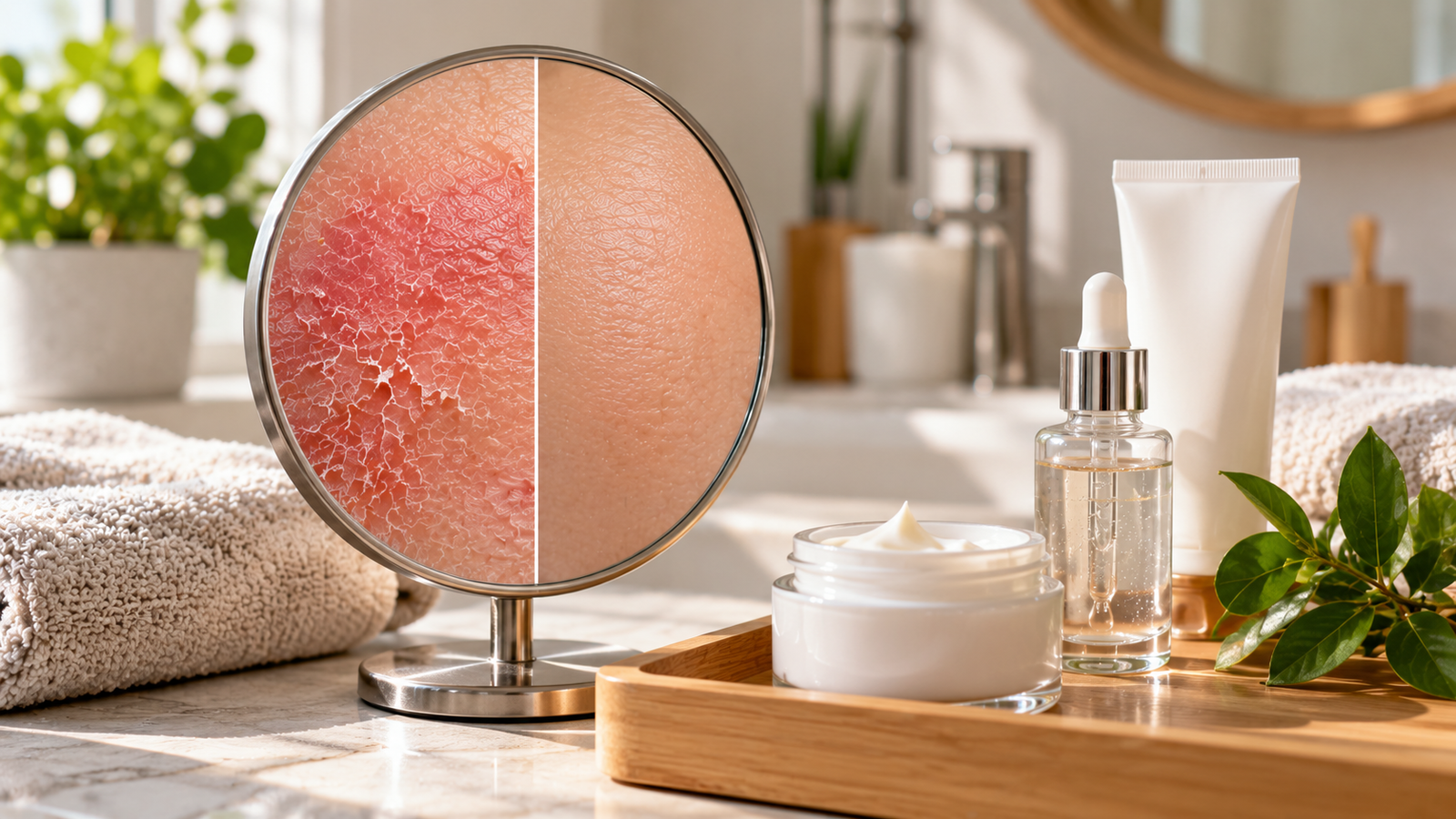
Your skin has a natural protective layer that helps keep moisture inside and protects the skin from outside irritants. In case there are any weaknesses in this protective layer, you might experience symptoms like dry, tight, or itchy skin and increased sensitivity. This is known as a damaged skin barrier.
There are numerous daily actions which might influence this protective layer. Such actions include using harsh products, excessive washing, exfoliating too much, being in dry and cold air for long periods of time. But the good thing is that gentle skin care will help to restore the protective layer.
What Is the Skin Barrier?
Skin barrier refers to the external layer of your skin.This acts as a protective layer for your body against the outside world. It ensures that your body does not lose too much water and keeps any irritating substances from affecting the deeper layers of your skin.
Skin barrier comprises skin cells and fats called lipids. These are such lipids as ceramides, cholesterol, and fatty acids. They make skin hydrated and healthy. In case when the balance in this system is disturbed, your skin becomes prone to irritation and excessive water loss. A gentle care routine can also help you learn how to get rid of closed comedones and keep your skin clear.
Symptoms You May Experience
The damaged skin barrier signs can either appear gradually or be caused by the use of an irritating product. Skin may have changed its appearance and feel uncomfortable.
Some common signs of a damaged skin barrier include:
- Dry or flaky skin
- Redness
- Rough patches
- Itching
- Tightness
- Burning or stinging
- Increased sensitivity
- Tender skin
- Skin that reacts to products it once tolerated
These symptoms can also happen with eczema, rosacea, acne, or other skin problems. So, redness or dryness alone does not prove that your skin barrier is damaged.
Why Can the Barrier Become Weak?
Your skin barrier can be compromised both by the way you take care of your skin and environmental factors. Washing your face too much can wash off natural oils. Water that is extremely hot can also wash off natural oils on your skin.
Other common causes include harsh soaps, aggressive cleansers, scrubbing, excessive exfoliating, and use of too many products at once. Certain acne medications and other strong skin care products can be responsible for irritations and dry skin.
Cold weather and dry air can aggravate the condition. Also, certain skin diseases such as eczema, rosacea, psoriasis and some types of acne can be connected to barrier disorders.
Give Your Skin a Break
When your skin is irritated, the first thing that you should do is to minimize all the factors that make your skin irritated. Stop using the products which irritate or sting your skin.
Keep your skin care routine minimal for some time. Do not use aggressive scrubs and exfoliate too often. Do not introduce several new products at once. The simplified routine will allow you to monitor the condition of your skin better.
This is an important part of skin barrier repair because it helps prevent repeated irritation while your skin recovers.
Choose the Right Moisturizer
One of the most helpful products for dry skin is moisturizer. It should be applied after bathing when your skin is still slightly wet. This will promote the presence of moisture in the upper layer of skin.
When learning how to repair skin barrier health, look for moisturizers made for dry or sensitive skin. Ceramides may be useful because they are part of the natural lipids found in the skin barrier. Research has also found benefits from ceramide-containing moisturizers for hydration and barrier function in certain dry-skin conditions.
Understand Moisturizer Ingredients
Moisturizer components have different mechanisms of action: humectants draw moisture, emollients soothe the skin and make it softer, occlusives form a protective layer reducing moisture evaporation.
Moisturizers can include various types of components working in synergy, thus helping to take care of different parts of the skin barrier. Research literature reviews suggest using moisturizers for caring about disrupted skin barriers.
It is not necessary to use a moisturizer containing all types of components. A simple moisturizer that does not irritate the skin might be enough.
Be Careful with Exfoliation
Exfoliation is the process of removing dead skin cells, but doing it too often can irritate sensitive skin even further. Moreover, physical scrubs might be abrasive to dry and sensitive skin.
In case the skin of the face is burning, peeling and hypersensitive – it is necessary to stop exfoliating until it becomes comfortable to do so. The same approach should be taken in case of usage of acid peels or active agents.
Learning how to fix skin barrier problems often starts with knowing what to stop, not what extra product to add.
Protect Your Skin During the Day
Another aspect that is crucial to healthy skin care is sun protection. Apply broad-spectrum sunscreen of at least SPF 30 and use shade or protective clothing where possible.
Also, do not take hot showers or spend time in dry air when such conditions cause irritation to your skin. Such practices help minimize additional strain on the epidermis.
A Simple Routine Can Help
If you want to know how to heal skin barrier problems, start with a basic morning and evening routine.
In the morning, gently cleanse if necessary, apply moisturizer, and use sunscreen. In the evening, cleanse any makeup or sunscreen and apply moisturizer.
You do not need to use many serums, exfoliants, or treatments during this period. Fewer products may make it easier to avoid triggering your skin.
How Long Will it Take to Recover?
The process of recovery of damaged skin varies from person to person. The time taken depends on the cause and the extent of damage to the skin. Some people recover faster, whereas others take longer.
Do not keep switching products because there are no changes in your skin within a few days. Using consistent, gentle skincare is better than trying something new each week. According to the Cleveland Clinic, it takes several months for some cases.
When Should You Consult a Dermatologist?
Dry skin doesn’t always just mean an issue with the barrier. When you experience pain, extreme itching, swelling, cracking, or inflammation, see a dermatologist. It is also time to see a dermatologist when your symptoms persistently recur.
A dermatologist will examine whether your symptoms are caused by some other underlying disease, which is important because diseases like eczema and rosacea require special treatment.
Keep Your Skin Strong Over Time
Knowing how to restore skin barrier health is about more than fixing dryness for a few days.This requires making routines that are gentle enough to sustain.
Pick gentle products, moisturize often, and refrain from scrubbing when not necessary. Always protect your skin from the rays of the sun.
Be keen on the reaction that your skin has whenever you incorporate anything new into your routine. It may not give immediate results, but it will go a long way in helping protect your skin.